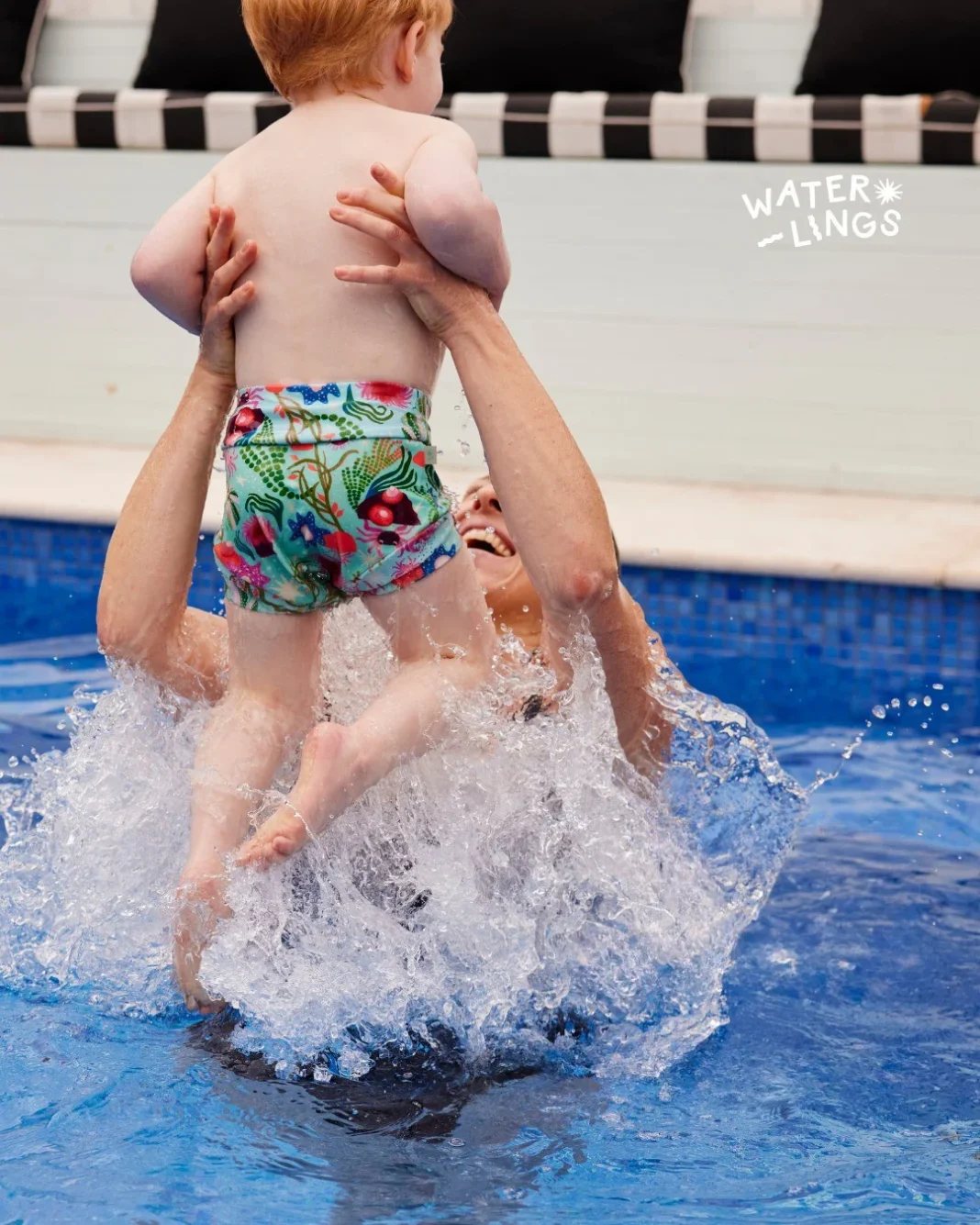

A few decades ago, taking a baby into the water looked very different from today. Parents relied on regular nappies, improvised solutions, or simply avoided swimming altogether until their child was older.
Now, baby swimming is a common part of early childhood — from structured lessons to casual beach days. But this shift didn’t happen on its own. It came with the development of products specifically designed for water environments, including one essential item that quietly changed everything.
If you’ve ever wondered what are swim nappies and why they’ve become standard, the answer lies in how swimming habits and expectations have evolved.
Before Swim Nappies: What Used to Happen?
In the past, parents had limited options:
- Using regular nappies in water (which quickly failed)
- Letting babies swim without protection
- Restricting water activities altogether
None of these solutions worked well. Pools faced hygiene issues, and babies were often uncomfortable or restricted in movement.
As swimming became more popular for young children, especially through swim schools, the need for a better solution became obvious.
The Rise of Structured Baby Swimming
Over time, swimming shifted from a casual activity to a structured one:
- Baby swim classes became widely available
- Public pools introduced stricter hygiene rules
- Parents began introducing water earlier in development
This created a new requirement: a product that could work reliably in water without affecting comfort or safety.
Swim nappies emerged as the answer to that problem.
What Problem Were They Designed to Solve?
The core challenge was simple but important:
- Babies are not toilet trained
- Pools require strict hygiene standards
- Water changes how materials behave
A solution had to:
- Prevent contamination
- Stay lightweight in water
- Allow free movement
Swim nappies were designed specifically around these conditions, rather than adapting existing products.
How Design Priorities Changed
Traditional nappies are built around absorption. Swim nappies are built around containment and mobility.
This shift in design thinking led to:
- Materials that don’t hold water
- Shapes that stay consistent during movement
- Secure fits that adapt to water pressure
Instead of focusing on holding liquid, the emphasis moved to maintaining structure and function in a completely different environment.
Why They Became a Standard Requirement
As pools and swim schools grew more regulated, expectations became clearer.
Most facilities now require swim nappies because:
- They help maintain water hygiene
- They reduce the risk of disruptions
- They create a consistent standard for all swimmers
What started as a practical solution quickly became a standard part of swimming with babies.
Changing Expectations from Parents
Parents today approach baby swimming differently than before.
There is now greater emphasis on:
- Early exposure to water
- Safe and controlled environments
- Minimising stress during activities
Swim nappies support these expectations by removing one of the biggest uncertainties — hygiene concerns during water play.
Beyond Function: Comfort and Experience
As the product evolved, it wasn’t just about solving a problem — it was also about improving the experience.
Modern swim nappies are designed to:
- Feel similar to swimwear
- Allow natural movement
- Reduce irritation during longer sessions
This makes swimming more enjoyable for both the child and the parent, which is ultimately what encourages consistency.
The Role of Innovation in Everyday Parenting
Swim nappies are a good example of how small innovations can have a big impact.
They didn’t change swimming itself — they changed how accessible and manageable it is for families with young children.
By addressing a very specific challenge, they made it easier for parents to:
- Introduce water earlier
- Participate in group activities
- Feel confident in shared environments
A Small Product with a Big Impact
At first glance, swim nappies might seem like a minor detail. But their development reflects a broader shift in parenting and lifestyle.
They represent:
- Better understanding of child comfort
- Improved hygiene standards
- A more proactive approach to early experiences
And because of that, they’ve become an essential part of modern baby swimming.
Final Thought
The way we approach baby swimming today is the result of gradual improvements — not just in teaching methods, but in the tools that support them.
Swim nappies are one of those tools. Simple in concept, but carefully designed for a specific purpose.
Understanding where they came from and why they exist gives you a clearer perspective on how small details can make a big difference — especially when it comes to creating safe, enjoyable experiences in the water.